BIM - Building Information Modeling
-
-
-
BIM services
-
Building Information Management
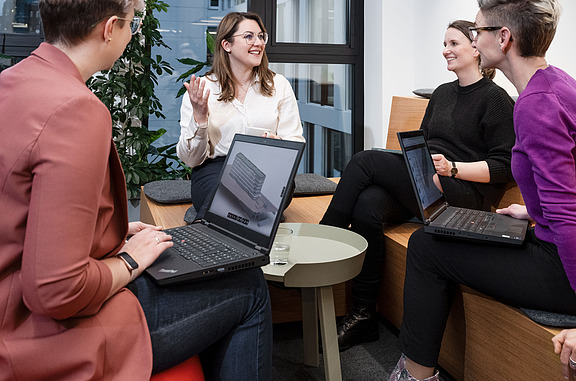
Creating the ideal conditions
Our experts will support you in integrating BIM into your project. By establishing processes and defining responsibilities for inputs and outputs, we create the ideal conditions for smooth project delivery.- Information management
- BIM execution conceptualisation
- Opportunity and risk management
- Interlinking of BIM and GIS
- General Design Contractor x BIM
- Clarification of BIM requirements
- Model-based requirements management
- Asset identification systems
-
Building Information Modeling
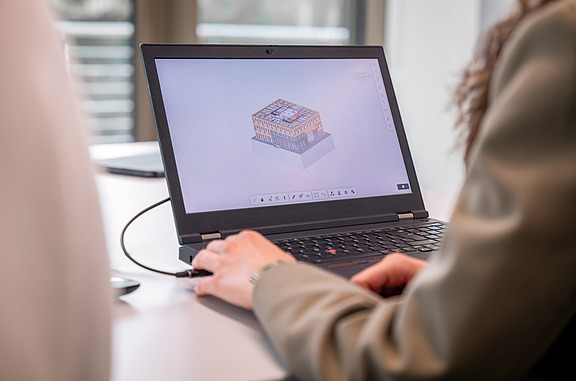
Information-rich 3D models
We use model-based design. In addition to the geometry, our 3D models also contain data on components, materials and relevant parameters. This is an essential step for the further use of the models in use cases.- Model creation
- Model-based design in building construction
- Model-based design of construction site setups
- Design of prefabricated MEP ceiling modules
- Model-based design in the early service phases
- Ground modeling and Quantity survey
- Point cloud processing
- Design-as-built comparison using point clouds (new builds and existing buildings)
- Model-based design in tunnel construction
-
Data management and exchange
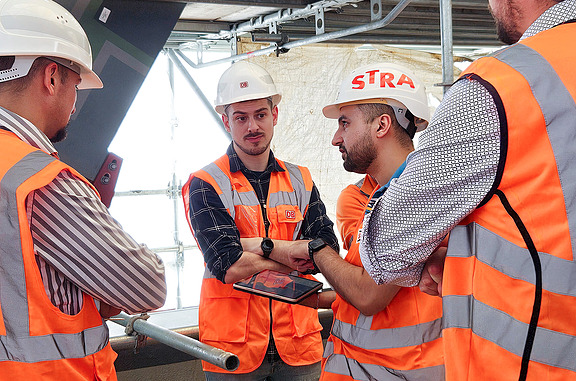
Seamless data flow across all phases
We assist you in selecting the appropriate BIM project platform. In this way, we ensure efficient management and smooth exchange of your data between project stakeholders.
This ensures a consistent data flow throughout all phases of the construction project.- IT infrastructure and project platforms
- Automation
- Defect management
- Commissioning management
- Data exchange for the manufacture of prefabricated elements
- Integration of BIM and Generative Design
- Plant identification systems
-
Simulation, Visualisation & Analysis
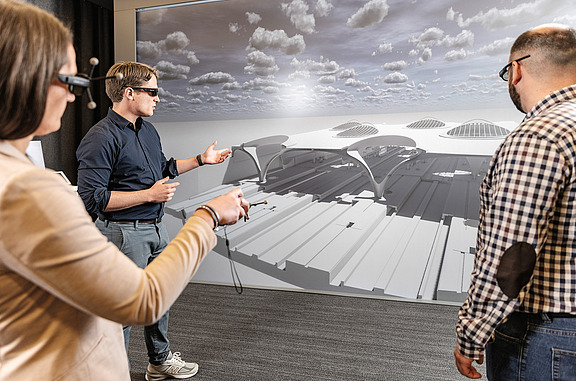
Experience the power of data in action!
We use our BIM models to simulate complex scenarios, visualise your project and carry out in-depth analyses. This enables well-informed decisions to be made.- 3D visualisations
- Model-based design of construction site setups
- Point cloud processing
- Interlinking of BIM and GIS
-
Collaboration and Coordination
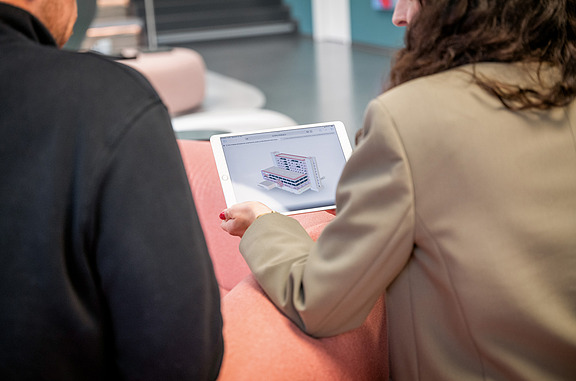
Encouraging collaboration
By establishing a collaboration process, we encourage cooperation among all project stakeholders. Furthermore, as part of our quality assurance process, we can identify collisions and conflicts in the model at an early stage.- Collaboration within the model
- Training: role-specific training for BIM coordinators, project managers and designers
- Rule-based quality assurance
- BIM technical coordination
- Overall BIM coordination
- Model-based meetings
- Interlinking of BIM development and operational project application
-
Quantity and Cost Management (BIM 5D®)

Comprehensible and transparent
By deriving quantities from the model and linking them to costs, you benefit from a verifiable and transparent project evaluation. This improved traceability adds value for everyone involved in the project.- Change management
- Model-based quantity survey and Bill of quantities (BoQ) creation
-
Schedule Management (BIM 4D)
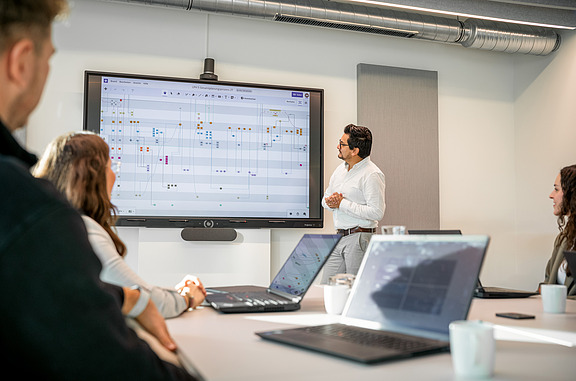
We integrate the time factor
The model is enhanced by linking it to schedules. The aim: to visualise construction progress over time. This enables scheduling, analysis and optimisation – including through target/actual comparisons.- Component tracking
- 4D scheduling
-
BIM for the operational phase
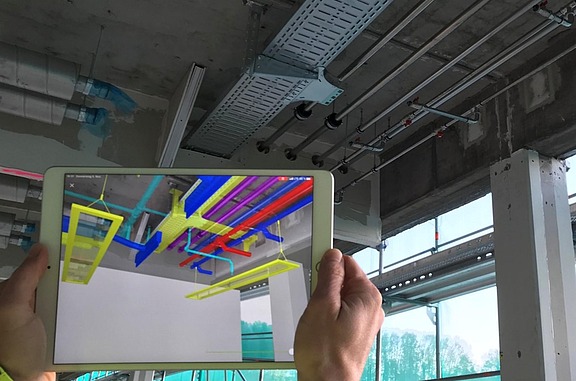
Extending BIM beyond the construction process
From design through construction to long-term use, ‘as-built’ models offer a digital solution that not only represents the built condition but also provides the basis for the operation, maintenance and management of the building.- Point cloud processing
- As-built & integration of external data
- Building documentation
- Commissioning management
-
Sustainability indicators in the BIM model
BIM as a central database
BIM models serve as a central database for the collection, evaluation and documentation of relevant building and sustainability indicators. They enable model-based analyses and support the assessment of design options throughout a building’s entire life cycle.- Model-based lifecycle assessments
- Interlinking BIM and reconstruction
- Building resource passport
- Operating cost calculation as part of the lifecycle analysis
-
BIM Training
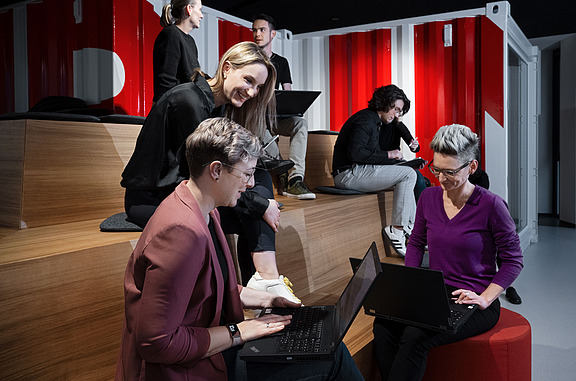
Expertise in model-based project workThe digital transformation of the construction industry requires strong individuals with digital expertise. We’ll equip you for model-based project work! Our programmes not only impart technical know-how, but also foster a shared understanding of roles, strengthen interdisciplinary collaboration and support you in applying digital tools effectively in practical project work.
- Knowledge transfer on model-based working methods and tools (e.g. Dalux, ACC)
- Teaching specialist content and highlighting overlaps
- Training courses and workshops on BIM documentation
- Provision of specific and structured information platforms
- Organisation of a permanent, interdisciplinary group of participants for knowledge exchange
Your benefits at a glance
BIM in the construction industry – a modern and transparent method.
- Efficient collaboration: All project stakeholders work on a shared platform and have access to up-to-date data at all times.
- Holistic design: BIM enables model-based design and execution, including 4D and 5D analyses.
- Transparent processes: Clear visualisation and simulations improve communication and minimise errors.
- Innovative methods: The use of Generative Design and AI supports optimised, modular construction.
- Lifecycle support: From the initial phase through to the use of the ‘as-built’ model – BIM supports your project through every stage.
-

With BIM, we bundle all relevant project data in one place, creating a digital basis that optimally supports design, construction and operation. We draw on decades of experience and established processes in building construction, civil engineering and traffic route construction.
BIM - FAQ
-
What is BIM?
The abbreviation BIM can stand for both Building Information Modeling and Building Information Management.
Building Information Modeling (BIM) is a digital working method in which a building is represented in a building information model throughout its entire life cycle. This model contains not only the geometry (3D model) but also information on, for example, materials, quantities, costs, schedules and technical properties. All project stakeholders access a shared, up-to-date database – this makes design, execution and operation more efficient, transparent and collaborative.
While Building Information Modeling describes the digital model and the underlying methodology, Building Information Management focuses on the organisation of information, collaboration between stakeholders and, consequently, the processes behind it. This involves the structured preparation and quality assurance of all relevant project data, as well as clear responsibilities and roles such as BIM managers or BIM coordinators.
In short: mode ling describes the digital model, whilst management describes the organisation, processes and rules that make it effective. -
What are the benefits of BIM for construction projects?
BIM enhances a project by creating a shared, reliable database for all stakeholders, thereby making design, construction and operation significantly more efficient and transparent. The digital model enables conflicts to be identified at an early stage, decisions to be made on a more informed basis, and processes to be better coordinated. At the same time, clearly structured information and coordinated processes promote smooth collaboration across all trades and project phases.
The aim is to use the data generated strategically for design, construction and operation, thereby harnessing the full potential of digital working methods – for higher quality, lower risks and a more cost-effective project overall.
You have a goal. We have the digital plan.
Whether it's a vision, project idea or concrete construction project - we get your goals off the ground with engineering expertise and clear design. Together, we create well thought-out solutions that stand the test of time.
Smart Engineering at Zentrale Technik