Smart Engineering
Design digitally. Implement smartly.
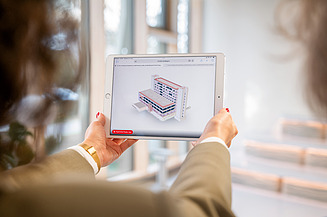
Digitally connected
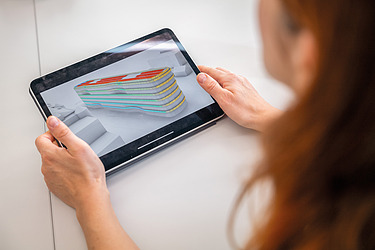
Your benefits at a glance
Smart engineering and the ongoing digitalisation are bringing lasting changes to the way we design and build.
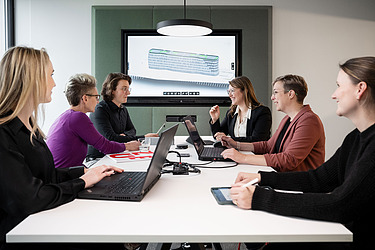
- Transparency and planning certainty: All project stakeholders have access to consistent, up-to-date data. This facilitates information exchange and communication.
- Efficient design: Through digital models and interconnected data, Smart Engineering supports the early identification of design deviations and the targeted use of resources throughout the entire project lifecycle.
- Innovation and connectivity: The use of state-of-the-art technologies and data-driven processes creates intelligent concepts that deliver complex construction projects.
-

Our technologies enable data-driven decision-making, digital design and the targeted use of resources, – for buildings that stand the test of time and inspire.
Smart Engineering - FAQ
-
What does Smart Engineering mean?
For us at Zentrale Technik, Smart Engineering means connecting digital designing, data-driven processes and our engineering expertise. Our aim is to make the design and construction process more efficient and precise.
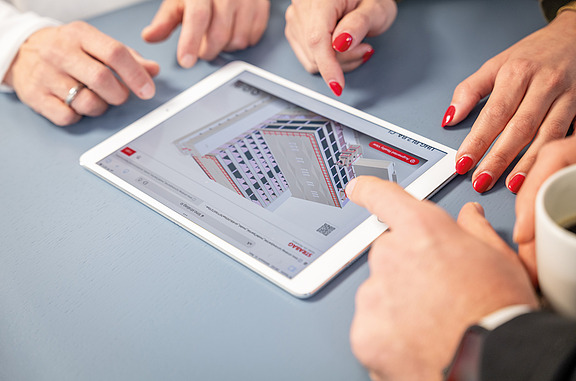
Smart Engineering is the key to digitalisation in engineering and is transforming the way we design and build. Specifically, for us, Smart Engineering covers:
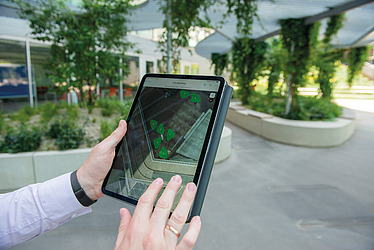
- Digital design: Through the use of Building Information Modelling (BIM), Generative Design (GD) and our Geographic Information Systems (GIS), we create precise and transparent foundations that guarantee the highest level of design reliability.
- Automation and efficiency: Reduction of manual work through digital workflows and intelligent tools.
- Data-driven decisions: With our simulations and analyses, we ensure better forecasts and risk minimisation during the construction process.
-
What does the future of digital design and construction look like?
We are certain that the principle of ‘design digitally first, then build in reality’ will become even more established. Technologies such as BIM and the use of artificial intelligence are becoming the norm.
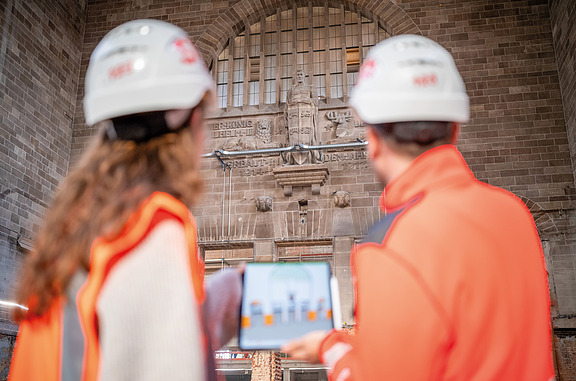
The future of construction is interconnected and automated. Digital design will become the foundation of smart engineering – with even greater transparency, efficiency and quality.
- Complete digitalisation of the value chain: Our digital tools enable end-to-end digital design – from the initial concept through project monitoring right through to deconstruction.
- Artificial Intelligence: With Generative Design, not just three or four design concepts, but a multitude can be created in the shortest possible time. This saves time and resources when searching for the optimal solution during the design phase – quickly, automatically and data-driven.
- Sustainable Engineering: Digitalisation is not just about improving efficiency; it also lays the foundations for well-informed design decisions. Digital models enable the analysis of different design options in terms of energy requirements, material usage and building performance. Smart Engineering combines these digital processes with innovative methods to develop tailor-made solutions for complex construction projects.
You have a goal. We have the plan.
Whether it's a vision, project idea or specific construction project - we get your goals off the ground with engineering expertise and clear design. Together, we create well thought-out solutions that stand the test of time.
Find out more about Zentrale Technik